BITES // 9.10.26 // THE NEW SWEAT ECONOMY: HOW MOVEMENT, MEDIA, AND CULTURE ARE REWRITING THE SPORTS PLAYBOOK
Every month, we collect six of the best web content pieces and share them with you, because we believe that the most extraordinary thinking is inspired by looking to unexpected places. BITES is a reading list for those who want to bring a little of the outside in.
OVERVIEW:
The intersection of movement, media, and athletic fandom is undergoing its most radical transformation in a generation. We are witnessing a shift away from traditional, highly structured physical activities toward fragmented, micro-dose movements—complemented by a total reimagining of fandom, creator ownership, and performance nutrition. For brands, this shift presents both a challenge and a greenfield opportunity. Understanding the modern landscape means looking beyond viewership numbers to decode the subtle, cultural currents driving consumer behavior. Here is how activity, media, and experience are evolving—and how brands can capture the momentum.
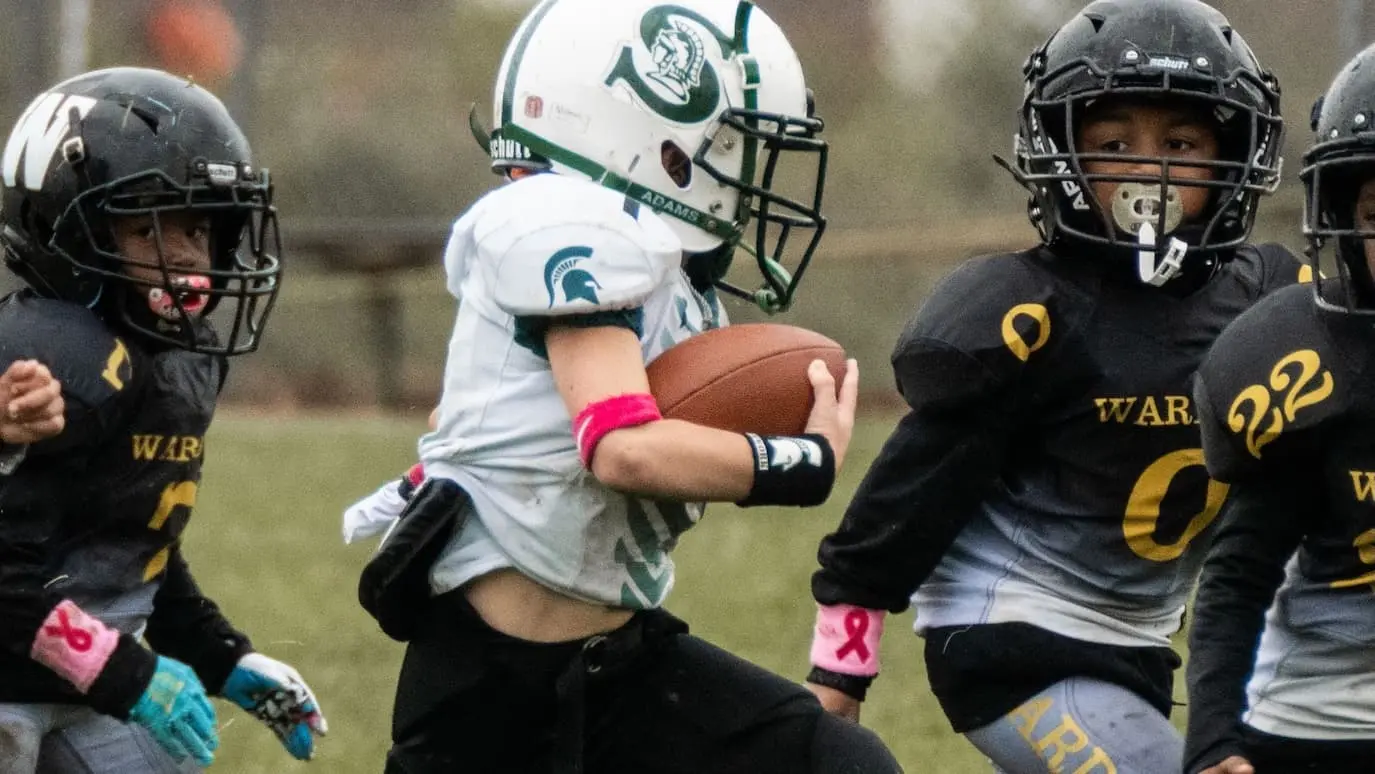
1. THE DEATH OF REC SPORTS AND THE RISE OF THE ELITE CLUB
The traditional landscape of youth sports is undergoing a structural division. Recreational "Little League" programs, community-driven youth football, and town rec leagues are experiencing a steady decline—evidenced by an estimated 70% of youth athletes dropping out of traditional recreational sports by age 13—giving way to hyper-specialized, highly commercialized club and travel sports.
While flag football continues to enjoy a massive boom—bolstered by lower concussion risks, co-ed participation, and its inclusion in international competition—the overarching trend points toward specialization. Families are choosing intense, year-round club infrastructure over traditional neighborhood leagues. This shift creates a distinct split in brand strategy: on one side, there is an urgent cultural need to keep community sports accessible; on the other, a high-spending, highly engaged club environment offers hyper-targeted touchpoints for youth-focused sponsorships.
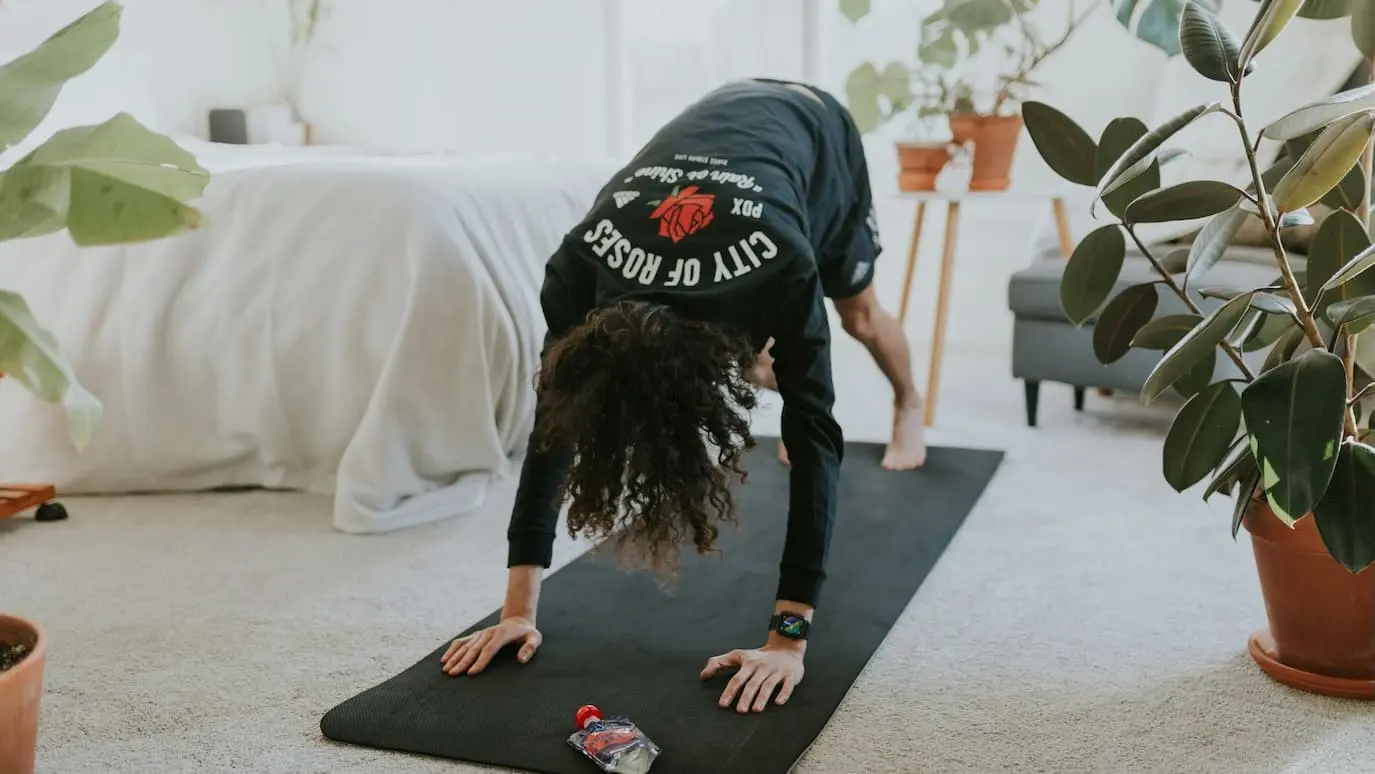
2. "EXERCISE SNACKS" & MACRO EFFICIENCY: THE MICRO-WORKOUT ERA
The 90-minute gym haul is being displaced by the 10-minute "exercise snack." Driven by increasingly compressed schedules and a hyper-focus on metabolic efficiency, consumers are integrating 5- to 15-minute high-intensity sessions throughout their workdays rather than waiting for a single block of free time. Culture is driving this trend straight into the mainstream—take Tom Holland, who popularized a 20-minute bodyweight and CrossFit-style routine that went viral for proving that maximum output doesn't require hours of commitment. Paired with the rise of gamified and immersive VR sports (where cardio feels like active gameplay rather than a chore), fitness has transformed into friction-free micro-moments. Simultaneously, as GLP-1 medications reshape public health, strength training for muscle retention has surged to the forefront. Movement is no longer just about burning calories; it’s about sustained vitality, efficiency, and structural health.
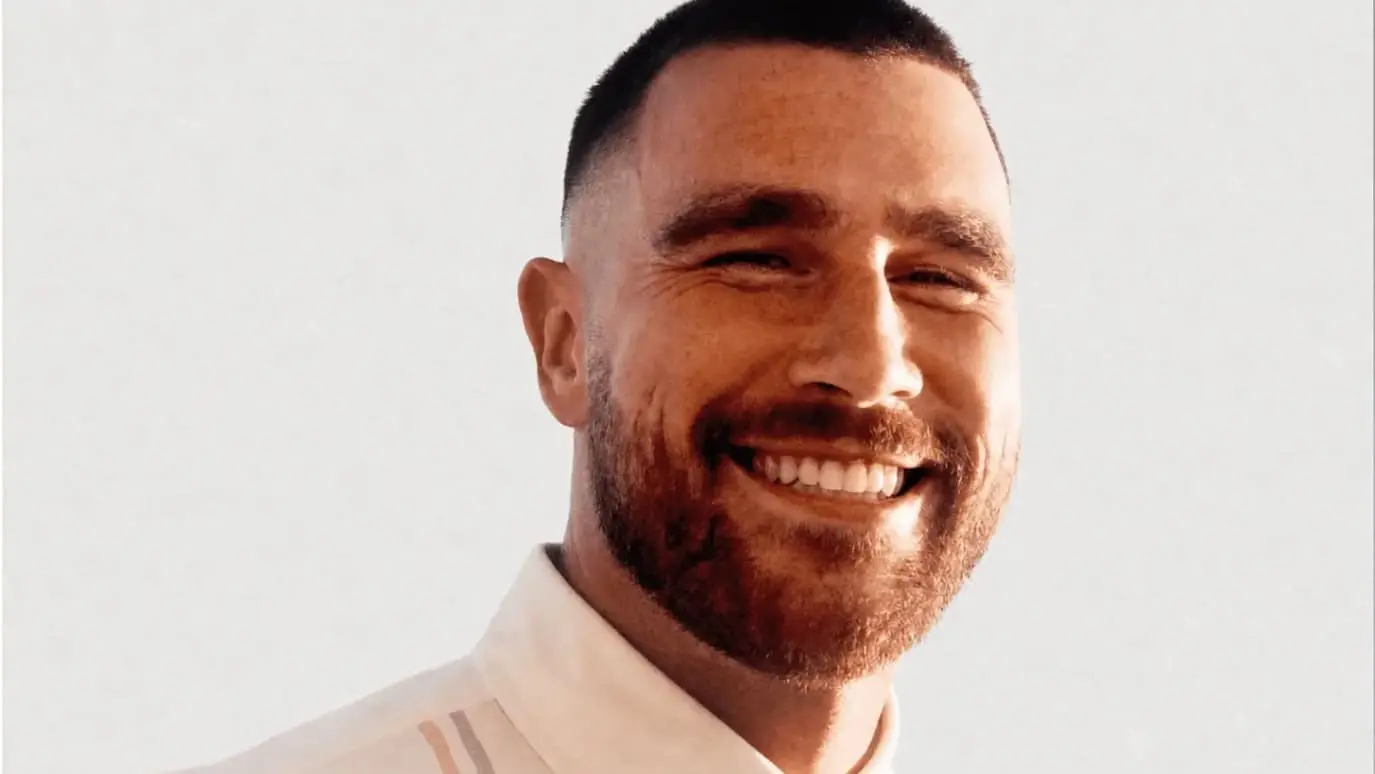
3. CREATOR-LED FRANCHISES: ATHLETE EQUITY AND THE FAN-MEDIA ECOSYSTEM
The modern sports engine is no longer powered solely by networks and traditional agencies—it is driven by athlete-led media houses and decentralized fan communities. Athletes are transitioning from talent for hire into agency founders and equity partners, highlighted by Travis Kelce’s launch of Tekta—a Name, Image, and Likeness (NIL) consulting and marketing venture built in partnership with Publicis Sports and 3 Arts Sports. Concurrently, sports franchises themselves are leaning into decentralized creator ecosystems rather than fighting them. The Kansas City Chiefs' "Kingdom Creators" initiative exemplifies this shift, formalizing partnerships with independent podcasters, vloggers, and meme-creators to capture real-time, authentic fandom. By giving independent storytellers exclusive access, VIP gameday integration, and creative autonomy, the franchise acknowledges a core modern truth: the most meaningful sports conversations no longer originate inside team headquarters, but out in the cultural sandbox built by the fans.
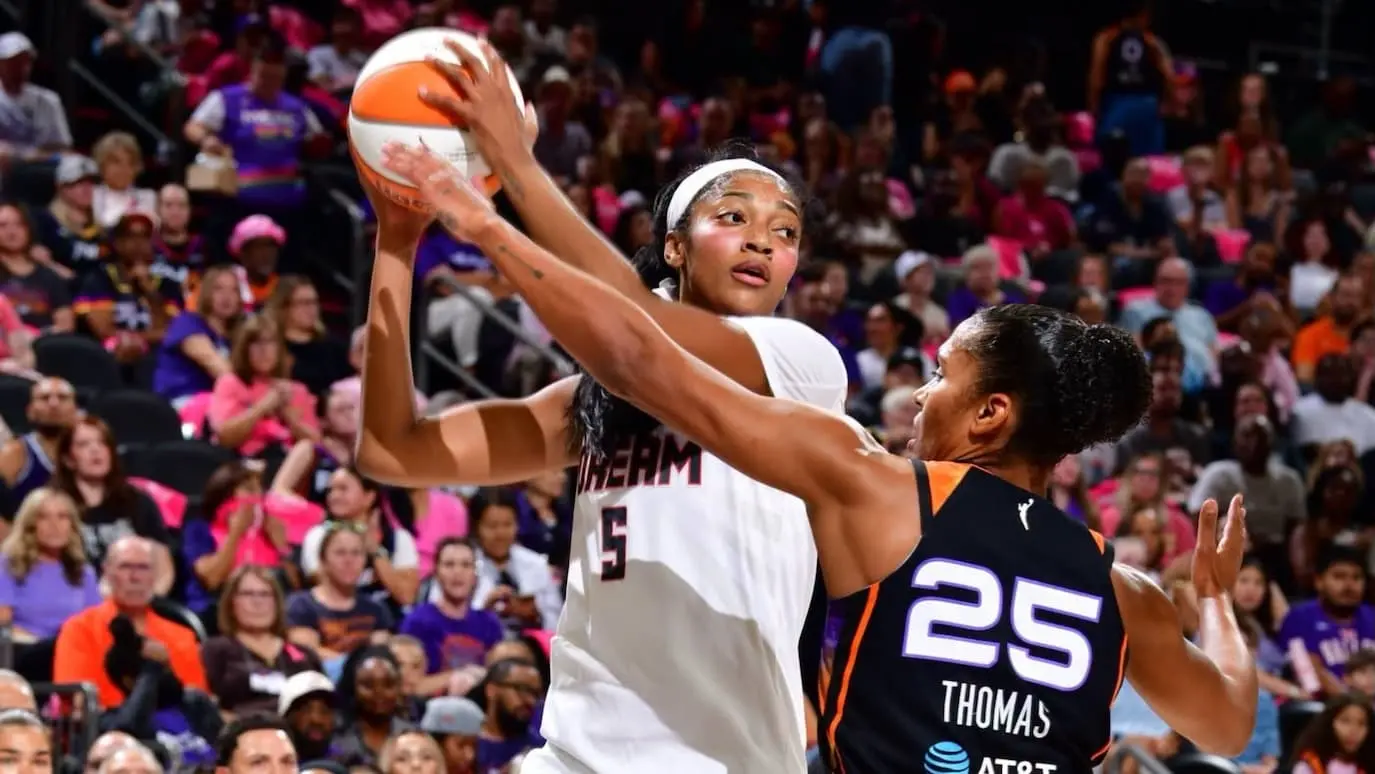
4. THE WNBA ARENA BLUEPRINT: HIGH-ENERGY IN-ARENA ACTIVATIONS
The WNBA isn't just expanding its audience; it is pioneering a new standard for live arena entertainment. Teams across the league have transformed games into immersive, high-energy cultural events designed to deeply engage both hardcore basketball fans and casual lifestyle attendees. From pre-game tunnel fashion runways to curated local music performances, customized merchandise drops, and interactive fan activations, WNBA arenas have become vibrant hubs where sport meets community and culture in real time. Rather than relying on static, legacy game day tropes, the league's arena experience offers a dynamic, participatory atmosphere—creating prime, highly receptive touch points for brands looking to connect with an authentic and culturally tuned-in crowd.
5. FUELING THE SHIFT: THE FUNCTIONAL FOOD & PROTEIN REVOLUTION
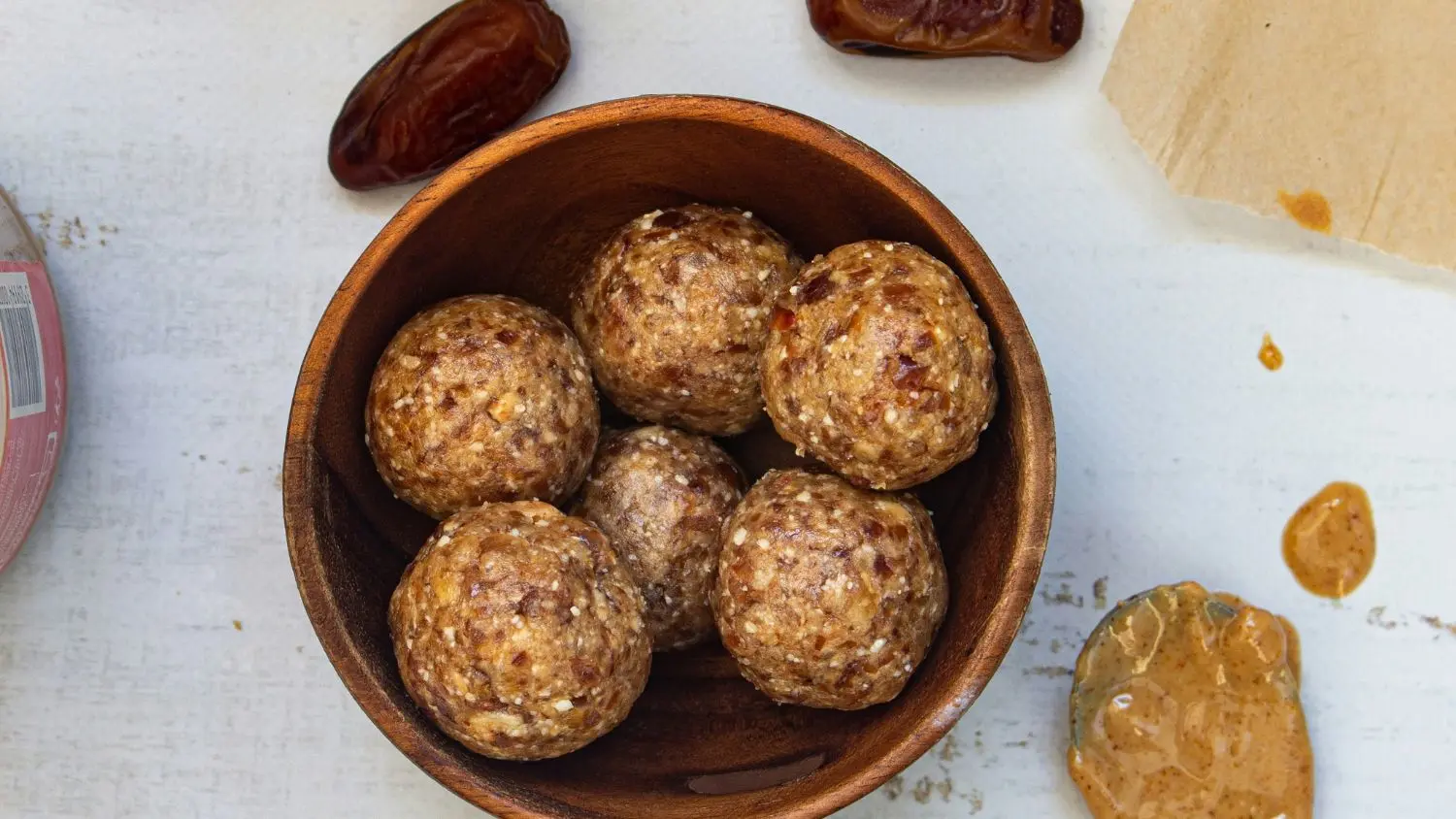
As workouts become faster and more integrated into daily life, active nutrition is changing to keep pace. The legacy "protein shake" market has evolved into a hyper-convenient, highly culinary ecosystem where high protein and high fiber are baseline requirements across everyday food categories. Consumers are demanding functional, on-the-go fuel that fits an active day without forcing a trade-off in taste or digestion. We are seeing a boom in high-protein beverages, fiber-fortified snacks, and clean-label fuel engineered specifically to preserve lean body mass—a direct lifestyle match for the GLP-1 generation and micro-workout enthusiasts alike. For brands in food and beverage, the mandate is clear: functionality can no longer be a niche sub-category; it must be seamless, elevated, and built for speed.
6. REIMAGINING THE IN-STADIUM EXPERIENCE: JOY, ACCESSIBILITY, AND COMMUNITY
In-person sports experiences are undergoing an overhaul to compete with home streaming screens. Leagues across the landscape are transforming gamedays into immersive, culturally aligned festival spaces featuring curated local food, high-end fashion activations, and interactive fan zones.
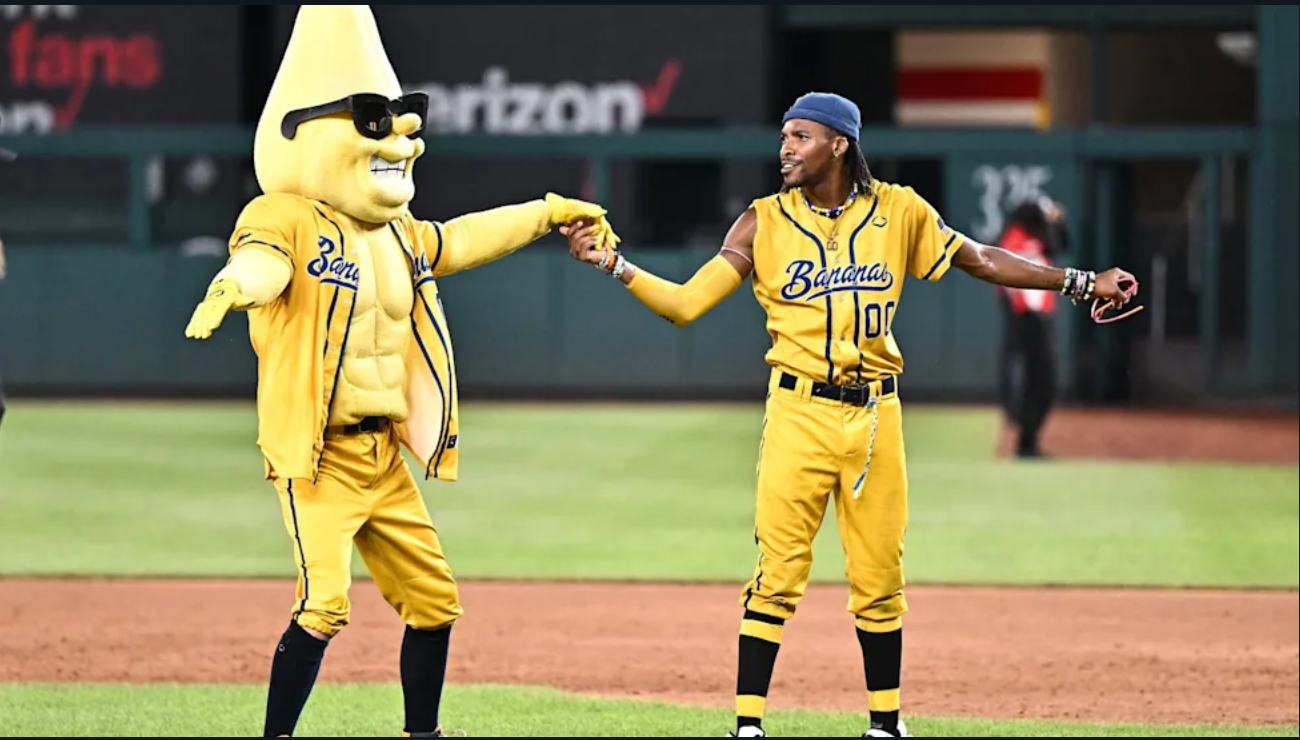
Look at the Seattle Storm, whose home games at Climate Pledge Arena have set the blueprint for turning a WNBA matchup into an energy-packed cultural hub with local dance troupes, interactive tech, and community-driven storytelling. Meanwhile, no organization exemplifies unbridled spectacle quite like the Savannah Bananas. By stripping away the stoic rules of traditional baseball and injecting unadulterated joy, choreographed dancing, and audience inclusion, they have created one of the hottest tickets in live entertainment. Fandom is no longer about sitting quietly in a stadium seat; it is an active, participatory event where the crowd is as much a part of the broadcast as the players.
TAKEAWAY: THE PLAYBOOK FOR WHAT'S NEXT
The lines between athletic performance, media ownership, entertainment, and everyday lifestyle have collapsed into a single cultural ecosystem. Consumers are no longer passive observers of sport—they are micro-exercisers, active participants, digital creators, and passionate fans seeking authenticity over polished corporate narratives.
For brands to remain relevant in this next cycle, the strategy requires leaning into this energy: embrace micro-moments, partner with athletes as true co-creators, design around real joy and community, and meet consumers right at the intersection where movement meets modern life.